 Pin It
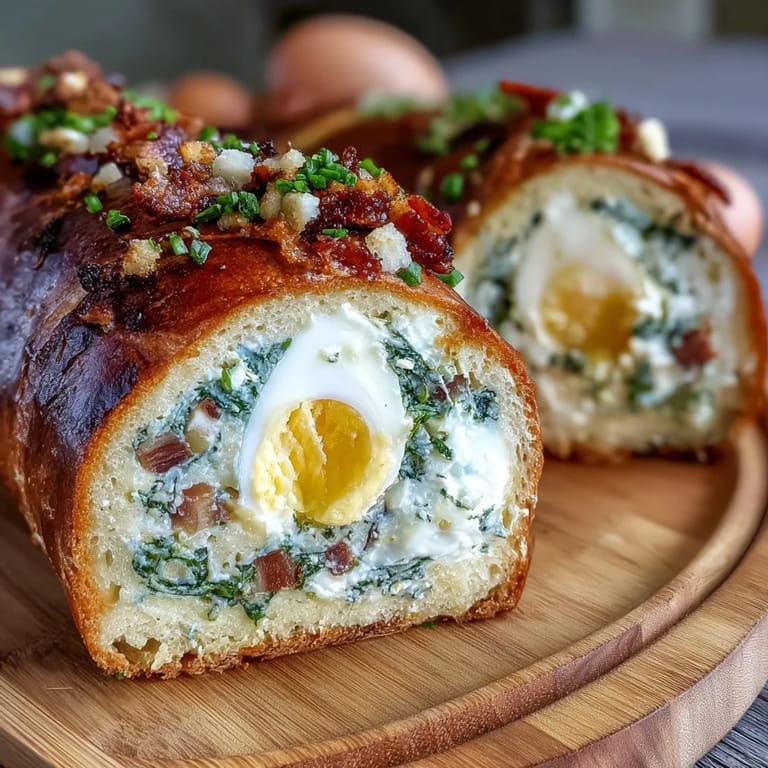
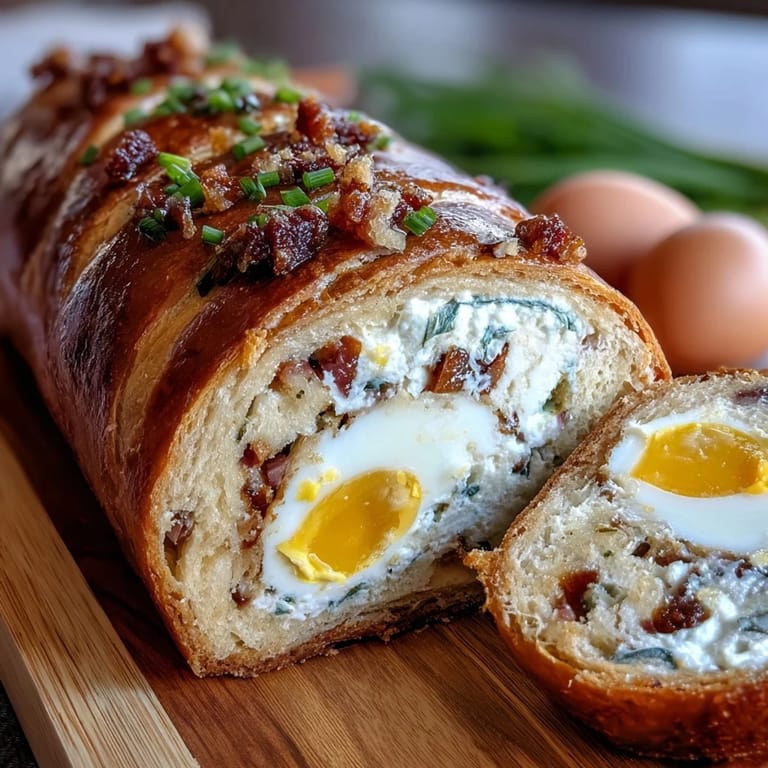
 My sister texted me a photo of a pie she'd seen at an Italian market—golden, impossibly flaky, with four perfect hard-boiled eggs visible in the cross-section like little edible jewels. She asked if I could recreate it for Easter dinner, and honestly, I was intimidated at first. But standing in my kitchen that afternoon, layering ricotta and ham between sheets of buttery puff pastry, I realized this wasn't complicated—it was just thoughtful. The kind of dish that looks like you spent hours fussing when really, you just trusted the process and let the ingredients do what they do best.
Last spring, I made this for a potluck where I knew exactly one person, and it became this weird conversation starter. Everyone wanted to know how the eggs got inside, and suddenly I was standing in someone's kitchen explaining pastry technique to strangers who'd become friends by dessert. That's when I understood—it's not just a pie, it's a reason to gather.
Ingredients
- Puff pastry (2 sheets, about 500 g): Thaw it slowly in the fridge the night before—rushing it makes it tear and stick to itself, a mistake I made exactly once.
- Ricotta cheese (250 g): The creamy backbone of this whole thing; use whole milk ricotta if you can, it's noticeably richer than part-skim.
- Cooked ham (150 g, diced): Don't use tissue-thin deli ham; get something with actual substance that won't disappear into the filling.
- Baby spinach (100 g, wilted and chopped): Wilt it first, then squeeze it dry with your hands—extra moisture will make the pie soggy, and trust me on this one.
- Grated Parmesan cheese (80 g): Use a microplane or box grater, not the pre-grated stuff in a shaker; the flavor difference is real.
- Eggs (3 large, for filling): These bind everything together and add richness; room temperature eggs mix more smoothly with the other ingredients.
- Nutmeg (1/2 tsp, ground): A small amount transforms ricotta from bland to sophisticated; freshly grate it if you have time.
- Black pepper and salt (1/2 tsp each): Season generously—ricotta can hide flavors, so taste as you go.
- Olive oil (1 tbsp): Adds silkiness to the filling and prevents it from drying out in the oven.
- Hard-boiled eggs (4 large, peeled): Boil them the day before and refrigerate; they're easier to handle cold, and the yolks stay centered.
- Egg wash (1 egg yolk mixed with 1 tbsp milk): This is what gives you that restaurant-quality golden sheen, so don't skip it.
Tired of Takeout? 🥡
Get 10 meals you can make faster than delivery arrives. Seriously.
One email. No spam. Unsubscribe anytime.
Instructions
- Get your oven ready and prepare the pan:
- Preheat to 190°C (375°F) and grease your springform or pie pan with a little olive oil. A cold oven means a soggy bottom crust, so make sure it's fully preheated before anything goes in.
- Line the pan with pastry:
- Unroll one sheet of puff pastry and gently press it into the pan, letting it come up the sides with some overhang. If it tears, just patch it with a scrap and move on—no one will ever know.
- Build the ricotta filling:
- In a large bowl, combine ricotta, diced ham, chopped spinach, Parmesan, the 3 filling eggs, nutmeg, pepper, salt, and olive oil. Mix until everything is evenly distributed and the color is consistent throughout.
- Create the foundation layer:
- Spread exactly half of the ricotta mixture evenly over the pastry base, using a spatula to smooth it flat. You want it even so the eggs nestle properly.
- Arrange the eggs:
- Using a finger or a small spoon handle, create four shallow grooves running lengthwise through the filling, then gently place one hard-boiled egg in each groove, positioning them horizontally so the yolk stays centered. The eggs are the whole point, so take a breath and let them settle naturally.
- Cover with the remaining filling:
- Spoon the second half of the ricotta mixture over the eggs, smoothing it carefully so they don't shift. The eggs should be completely covered but not crushed.
- Seal the pastry:
- Place the second sheet of puff pastry over the top, trim away excess with a knife, then press the edges to seal them firmly. Use a fork or your fingertips to crimp decoratively—this isn't just for looks, it actually keeps the filling from leaking out.
- Apply the egg wash:
- Whisk together the egg yolk and milk until combined, then brush it generously over the top pastry. This step is what separates a homemade pie from one that looks homemade, so don't be stingy.
- Create steam vents:
- Using a sharp knife, cut 3-4 small slits in the pastry top to allow steam to escape. Small slits, not big ones—you want controlled release, not a burst.
- Bake until golden:
- Bake for 40-45 minutes until the pastry is deeply golden and puffed up. The pie will smell incredible around the 30-minute mark, but patience is everything here.
- Cool before slicing:
- Let it rest at least 20 minutes before cutting—the filling needs time to set, or you'll get a beautiful, falling-apart mess. Warm or room temperature both work beautifully.
 Pin It
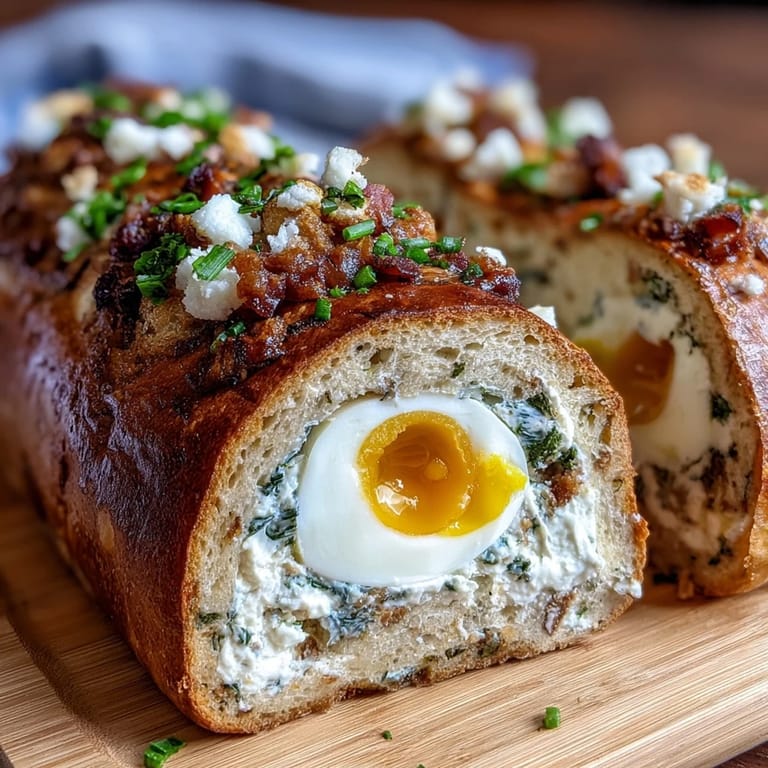
 The first time I sliced into this and everyone around the table gasped—actually gasped—I understood why people make special dishes. Food is just ingredients until you put thought behind it, and that's when it becomes something worth remembering.
Why This Works as a Celebration Dish
Spring meals need something that feels intentional, and this pie delivers that immediately. The pastry cracks and shatters exactly right, the filling is creamy and savory without being heavy, and those eggs in the center are like edible garnish that actually tastes good. It works for Easter because eggs are symbolic, but honestly, it works for any meal where you want to impress without stress.
Making It Your Own
This recipe has a strong backbone, which means you can play with it safely. I've made it with kale when spinach wasn't in the house, and it was equally delicious—earthier, maybe, but good. Fresh herbs scattered through the filling add brightness; I like parsley or a mix of parsley and basil. Some people add a handful of diced roasted red peppers for sweetness, and that's actually beautiful too.
Serving and Storage
This pie is genuinely good warm from the oven, cool at room temperature, or even chilled the next day. Pair it with a simple green salad and maybe some good bread, and you have a meal that feels complete. Leftovers keep in the fridge for three days, though honestly, there usually aren't any.
- Slice with a hot, wet knife for clean edges.
- A side of lemon or a light vinaigrette cuts through the richness perfectly.
- Make it the morning of if you want less stress on serving day.
 Pin It
 Make this pie when you want to feel like you've done something special, because honestly, you have. It's simple enough to be approachable but impressive enough to make people wonder what you're up to in that kitchen.
Recipe Questions & Answers
- → How do I achieve a golden crust on this pie?
Brush the top pastry with a mixture of egg yolk and milk before baking to create a shiny, golden crust.
- → Can I substitute spinach with other greens?
Yes, Swiss chard or kale work well as alternatives and bring unique flavors to the filling.
- → How should the hard-boiled eggs be positioned inside?
Place the eggs horizontally in shallow grooves within the filling to ensure an even cross-section when sliced.
- → What is the best way to prevent a soggy bottom pastry?
Ensure the pan is well-greased and use high-quality puff pastry. Baking until golden and slightly puffed helps keep the crust crisp.
- → Can fresh herbs enhance the flavor?
Adding fresh parsley or basil to the filling provides a fresh, aromatic boost that complements the other ingredients.