 Pin It
 There's something wonderfully honest about a grain bowl—no pretense, just good ingredients you can actually see and taste. I stumbled into making these during a busy week when my fridge was overflowing with half-used vegetables and I needed something that didn't require a recipe memorized by heart. What started as a practical solution became my go-to move for feeding people who eat differently, because everyone gets to build their own version. The beauty is in the flexibility, not in following rules.
I made these for my roommate during her first week at a new job when she was too overwhelmed to think about lunch, and she called me mid-afternoon to say she'd actually sat down and eaten something real. Since then, I've learned that a well-made grain bowl is one of those quiet acts of care that somehow matters more than elaborate cooking. It's nourishment disguised as something simple.
Ingredients
- Brown rice, quinoa, or farro: Pick whichever speaks to you that day—brown rice is forgiving and mild, quinoa brings a slight nuttiness and cooks faster, farro adds chew and richness but isn't gluten-free.
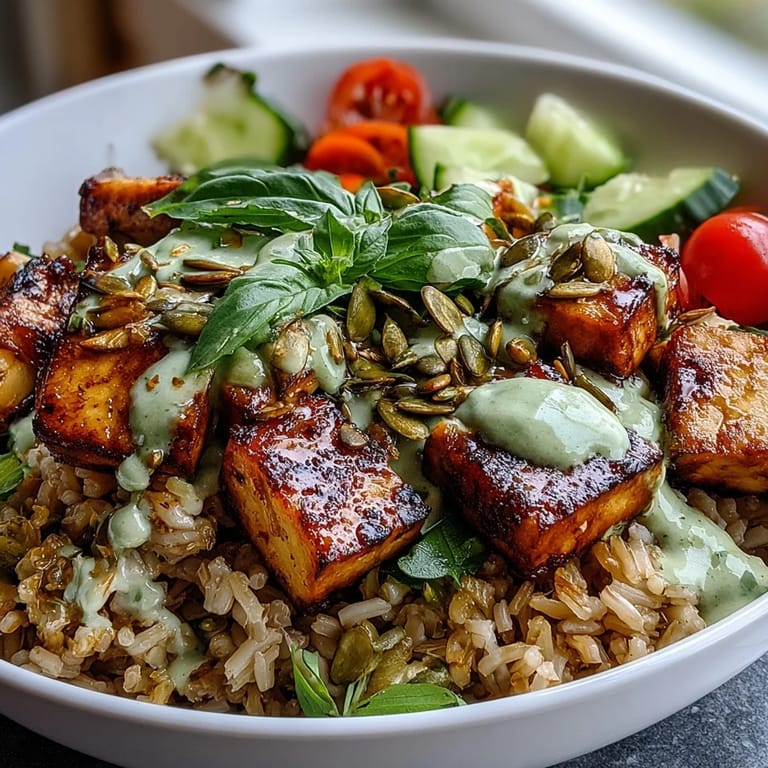
- Chickpeas, grilled chicken, pan-seared tofu, or shrimp: This is where your protein lives, so choose what makes you happy; chickpeas and tofu are budget-friendly, chicken feels classic, shrimp brings elegance if you're in the mood.
- Cherry tomatoes and cucumber: These provide bright acidity and crunch that keeps every bite interesting.
- Shredded carrots: Sweet and earthy, they balance the tanginess of the dressing and add natural color.
- Avocado: Creamy and necessary, but slice it just before assembling so it doesn't oxidize and turn gray.
- Red onion: Thin slicing matters here—it's sharp enough to cut through richness but not so much that it overwhelms.
- Feta cheese: Optional but transformative if you're not avoiding dairy; the saltiness ties everything together.
- Toasted pumpkin seeds: They add texture and a subtle earthiness that feels almost secret in a grain bowl.
- Fresh herbs: Whatever you have—parsley for mild brightness, cilantro if you want assertiveness, basil for something almost sweet.
- Olive oil, lemon juice, apple cider vinegar, Dijon mustard, garlic: The dressing is where quiet magic happens; the mustard emulsifies everything and the vinegar cuts through without being harsh.
Tired of Takeout? 🥡
Get 10 meals you can make faster than delivery arrives. Seriously.
One email. No spam. Unsubscribe anytime.
Instructions
- Cook your grain:
- Follow package instructions and don't rush this—undercooked grains feel sad. Once it's tender, let it cool slightly so everything isn't steaming hot when you assemble the bowl.
- Prepare your protein:
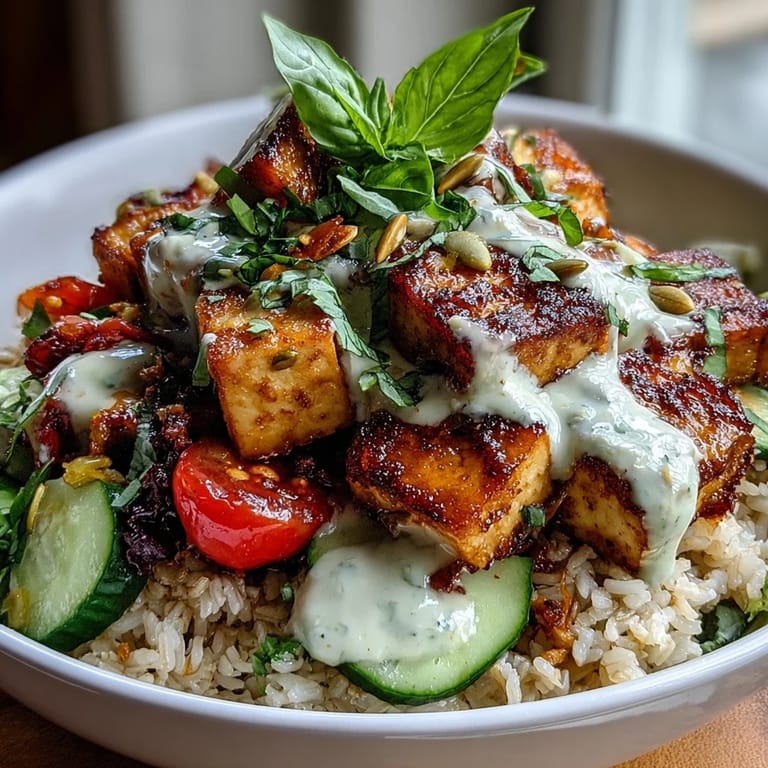
- If you're using chickpeas, drain and rinse them well so they're not slimy. Chicken should be diced roughly the same size as your other components, tofu benefits from a hot pan that gets it crispy at the edges, shrimp cooks in minutes and shouldn't be crowded in the pan.
- Make the dressing:
- Whisk everything together, tasting as you go—the garlic should be barely noticeable, not aggressive. If it tastes too vinegary, add more oil; if too oily, add more acid.
- Assemble your bowls:
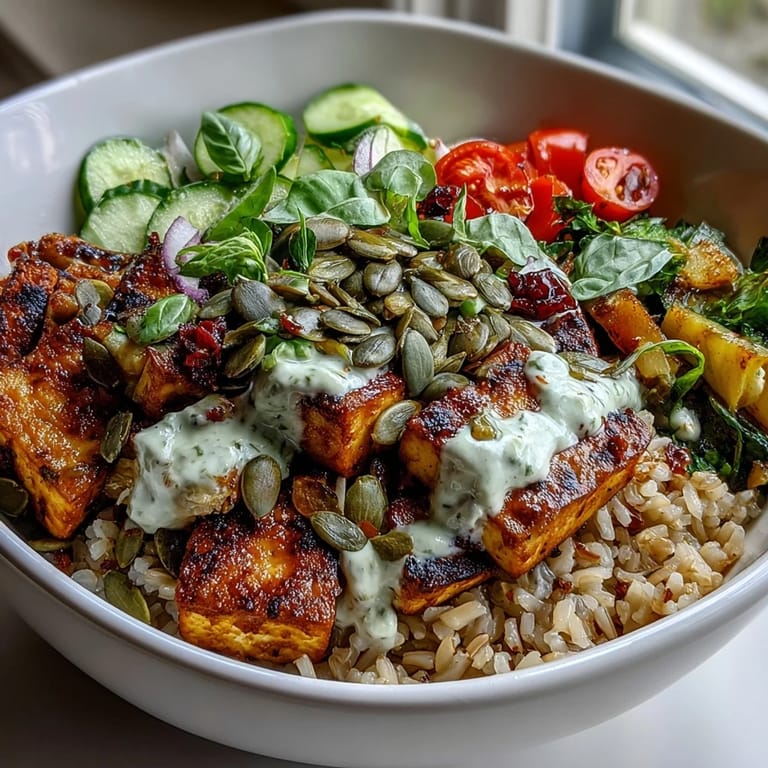
- Start with grain as your base, then arrange everything else on top so it's actually visible—bowls that look beautiful taste better, that's just true. Leave space between components so flavors don't all blur together before you eat it.
- Dress just before eating:
- This keeps things from getting soggy and ensures the dressing actually tastes bright instead of absorbed into the grain.
 Pin It
 Someone once told me grain bowls were lazy cooking, and I've thought about that comment ever since—not because it bothered me, but because I realized they were right and it didn't matter. There's something respectful about feeding people food that's actually good for them without making it complicated or precious. A simple bowl done well is its own kind of care.
Building Your Own Flavor Story
The real power of this bowl is in the mix-and-match nature, which means you're not following someone else's vision—you're making something that answers what you actually need that day. If you're craving earthiness, lean into roasted vegetables and tofu. If you want brightness, pile on herbs and lemon. Think of the grain as a neutral foundation and everything else as your conversation with what tastes right.
Make-Ahead and Storage Wisdom
These bowls genuinely improve overnight because the grain soaks up dressing flavor and everything melds together in a way that's actually better than fresh. Pack the dressing separately if you're taking it somewhere, or drizzle it the night before if you don't mind a slightly softer texture. Store in glass containers so you can see what you're eating, and they'll stay fresh for four days refrigerated.
Seasonal Swaps and Flexibility
I've made this bowl in every season and it shifts completely—summer means raw tomatoes and fresh basil, fall gets roasted butternut squash and sage, winter welcomes roasted brussels sprouts and thyme, spring celebrates whatever greens are just appearing. The bowl doesn't care about seasons; it cares that you're paying attention to what's actually good right now. The constant is the grain and dressing; everything else is negotiable based on your market, your mood, or what's somehow already in your vegetable drawer.
- Add a fried or poached egg on top if you need more richness and protein, and let the yolk break into the warm grain.
- Swap any seasonal vegetables or greens you prefer—roasted vegetables work beautifully if raw feels too austere.
- For vegan versions, use chickpeas or tofu and omit feta; the bowl loses nothing and gains nothing, it just becomes different.
 Pin It
 A grain bowl is honest food, the kind that sticks with you without apology. Make it, eat it, and notice how simple can be exactly what you needed.
Recipe Questions & Answers
- → Which grain works best for meal prep?
Brown rice holds up exceptionally well and doesn't become mushy after refrigeration. Quinoa also maintains its texture beautifully. Both grains reheat easily without losing quality.
- → Can I make these bowls ahead of time?
Yes, prepare all components separately and store in airtight containers for up to 4 days. Keep the dressing separate and add just before serving to maintain freshness and prevent sogginess.
- → What proteins work for vegetarian options?
Chickpeas provide excellent protein and fiber. Pan-seared tofu becomes wonderfully crisp and absorbs flavors well. You can also add a poached or fried egg for extra protein.
- → How do I make this gluten-free?
Choose rice or quinoa as your grain base since farro contains gluten. Ensure all other ingredients, particularly condiments and seasonings, are certified gluten-free.
- → Can I substitute the vegetables?
Absolutely. Use any seasonal vegetables you enjoy—roasted sweet potatoes, bell peppers, radishes, shredded cabbage, or fresh greens like arugula and spinach all work beautifully.
- → What's the best way to store leftovers?
Store grains, proteins, and vegetables in separate containers. Reheat the grain and protein if desired, then top with cold vegetables and dressing. This preserves textures and prevents wilting.