 Pin It
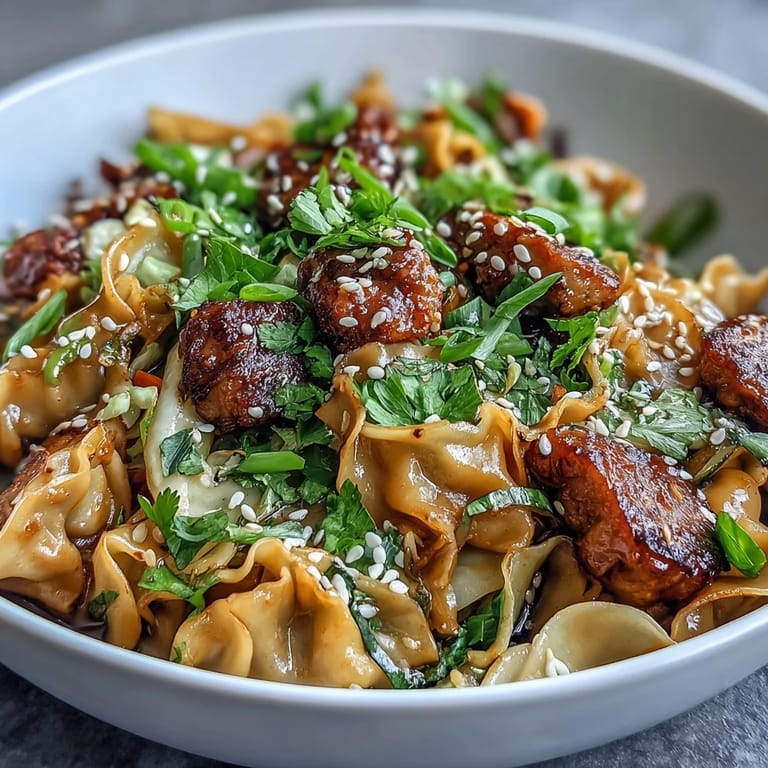
 The smell hit me first: ginger and garlic sizzling in hot oil, that sharp, sweet punch that makes your stomach wake up. I was trying to recreate the potsticker filling I loved from our neighborhood spot, but I had a pile of leftover rice noodles and no wrappers. Instead of folding dumplings for an hour, I dumped everything into a wok and tossed it together. What came out was better than I expected—crispy pork, tangled noodles, and that salty-spicy glaze clinging to every bite.
I made this for my roommate on a random Tuesday after she had a rough day at work. She stood in the kitchen, watched me toss everything together, and said it smelled like the dumpling house we used to go to in college. When she took her first bite, she closed her eyes and nodded. That quiet approval meant more than any compliment.
Ingredients
- Rice noodles: They soak up the sauce without getting mushy, and they stay silky even after sitting in the fridge.
- Ground pork: The fat renders out and creates those crispy, browned bits that taste like the bottom of a pan-fried dumpling.
- Soy sauce, sesame oil, and white pepper: This trio is the soul of dumpling filling, giving the meat that unmistakable savory depth.
- Cornstarch: It helps the seasoning cling to the meat and gives the sauce a glossy, slightly thickened finish.
- Garlic and ginger: Fresh is non-negotiable here, the aromatics bloom in hot oil and perfume the entire dish.
- Green cabbage and carrots: They add crunch and sweetness, balancing the richness of the pork.
- Shiitake or cremini mushrooms: They bring an earthy, umami layer that makes every bite more complex.
- Chili-garlic sauce: This is where the heat lives, adjust it to your comfort level but dont skip it entirely.
- Rice vinegar: A splash of acidity cuts through the fat and keeps the sauce bright.
- Oyster sauce: It adds a deep, almost sweet salinity that mimics the glaze on a perfectly pan-fried dumpling.
- Toasted sesame seeds and cilantro: They finish the bowl with freshness and a nutty crunch that ties everything together.
Tired of Takeout? 🥡
Get 10 meals you can make faster than delivery arrives. Seriously.
One email. No spam. Unsubscribe anytime.
Instructions
- Prepare the noodles:
- Boil the noodles until theyre just tender, then drain and rinse them quickly under cold water to stop the cooking. Toss them with a few drops of oil so they dont clump into a brick while you cook everything else.
- Season the meat:
- Mix the soy sauce, sesame oil, cornstarch, white pepper, sugar, and salt in a small bowl, then pour it over the ground pork and stir gently until the mixture feels sticky and cohesive. If youre adding minced cabbage, fold it in now for extra moisture and texture.
- Make the sauce:
- Whisk together the soy sauce, rice vinegar, oyster sauce, chili-garlic sauce, sesame oil, brown sugar, and broth until the sugar dissolves completely. Taste it now and adjust the heat or sweetness to your liking.
- Prepare the vegetables:
- Shred the cabbage and carrots, slice the mushrooms thin, and separate the white and green parts of the scallions. Rinse the bean sprouts if youre using them and set everything within reach of the stove.
- Brown the meat:
- Heat a tablespoon of oil in a large skillet or wok over medium-high heat, then add the seasoned pork in an even layer and leave it alone for a couple of minutes to get a golden crust. Break it up and cook until its fully browned and crispy at the edges, then drain any excess fat if needed.
- Add aromatics:
- Push the meat to one side of the pan, add another tablespoon of oil to the empty space, then toss in the garlic, ginger, and white parts of the scallions. Stir for about a minute until the kitchen smells incredible, then mix everything together.
- Cook vegetables:
- Add the mushrooms first and let them soften for a few minutes, then toss in the cabbage and carrots and stir-fry until the cabbage wilts but still has a bit of bite. If the pan looks dry, add a splash of water to keep things moving.
- Combine with sauce:
- Pour the prepared sauce over the meat and vegetables, tossing everything together until its evenly coated. Let it simmer for a minute or two until the sauce thickens slightly and clings to everything.
- Add noodles:
- Add the cooked noodles to the pan and toss gently but thoroughly, making sure every strand gets coated in the sauce. If it looks too dry, add a few tablespoons of water or broth, and fold in the bean sprouts at the very end if youre using them.
- Finish and serve:
- Taste and adjust the seasoning with more soy sauce, chili-garlic sauce, or a squeeze of lime, then stir in half of the green scallion tops and turn off the heat. Divide the noodles between bowls and top with the remaining scallions, cilantro, and sesame seeds.
 Pin It
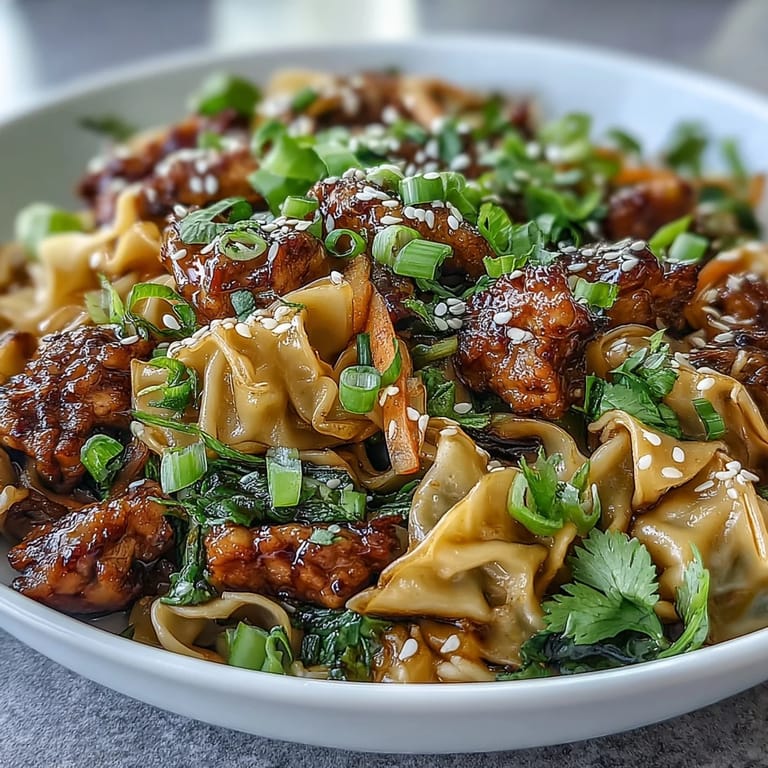
 My friend brought her kids over one night and I made a big batch of these bowls. The younger one picked out all the carrots and piled them on the side of his plate, but he ate every noodle and asked for seconds. His older sister said it tasted like the dumplings from the place near their school, and I realized that was exactly the point—familiar comfort, just faster and easier.
How to Make It Gluten-Free
Swap the soy sauce for gluten-free tamari, use rice noodles instead of wheat-based lo mein, and check your oyster sauce label to make sure it doesnt contain wheat. Most rice vinegars and chili-garlic sauces are naturally gluten-free, but its always worth a quick check. The flavor stays just as bold and satisfying.
Storing and Reheating
Leftovers keep well in an airtight container in the fridge for up to three days. When you reheat them, add a splash of water or broth to loosen the noodles and bring back the saucy glaze. I usually reheat mine in a skillet over medium heat, tossing everything until its warmed through and the sauce clings again. The flavors deepen overnight, so dont be surprised if day-two bowls taste even better.
Swaps and Variations
Ground chicken or turkey works beautifully if you want something leaner, and plant-based crumbles can stand in for a vegetarian version. Napa cabbage or baby bok choy can replace the green cabbage for a more delicate texture, and you can toss in snap peas or bell peppers if thats what you have on hand. I once added a fried egg on top and the runny yolk turned the whole thing into a rich, creamy sauce.
- Top with a soft-boiled or fried egg for extra richness and a silky yolk that coats the noodles.
- Add a handful of chopped kimchi for a tangy, fermented kick that pairs perfectly with the pork.
- Drizzle a little black vinegar or extra chili oil at the table for those who like more heat and acidity.
 Pin It
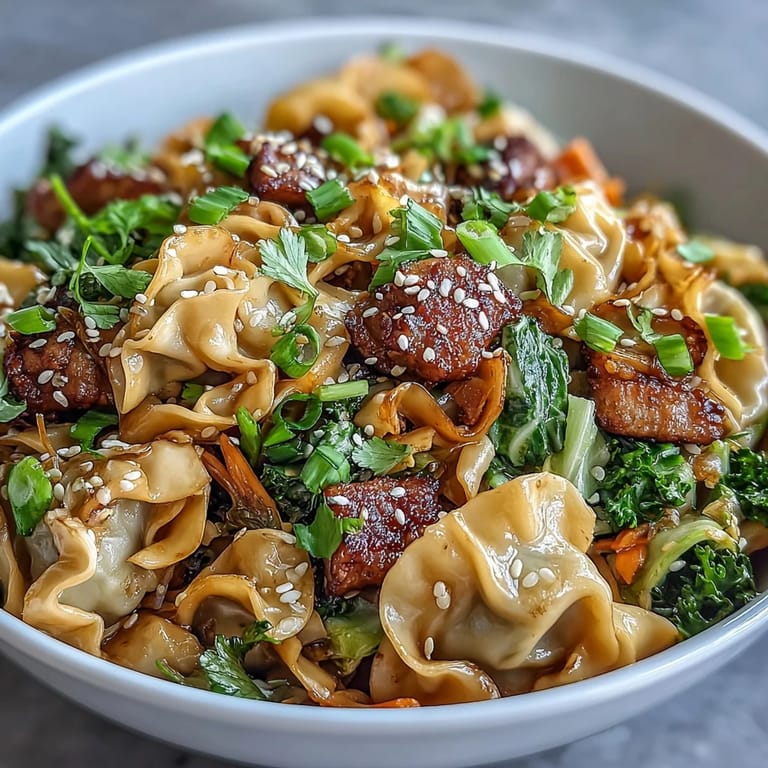
 This bowl became my answer to weeknight chaos: fast, filling, and full of the kind of flavor that makes you slow down and actually enjoy dinner. I hope it does the same for you.
Recipe Questions & Answers
- → Can I use different noodles?
Yes, rice noodles work beautifully for gluten-free versions, while lo mein, udon, or wheat noodles provide excellent texture. Even spaghetti makes a suitable substitute in a pinch.
- → How do I prevent noodles from sticking?
Rinse cooked noodles briefly with cold water and toss with a few drops of sesame or neutral oil immediately after draining. This prevents clumping until you're ready to combine them with the sauce.
- → Can I make this vegetarian?
Absolutely. Substitute ground pork with crumbled firm tofu, plant-based meat, or extra vegetables like bell peppers and snap peas. Use vegetarian oyster sauce or additional hoisin for depth.
- → How spicy is this dish?
The base version offers mild heat from chili-garlic sauce. Adjust the amount to your preference, or serve extra sambal oelek at the table so everyone can customize their spice level.
- → What vegetables work best?
Green cabbage and carrots provide classic crunch, but napa cabbage, baby bok choy, sliced bell peppers, snow peas, or spinach make excellent additions or substitutions based on what you have available.
- → How should I store leftovers?
Refrigerate in airtight containers for up to 3 days. Reheat gently with a splash of water or broth to loosen the sauce and restore the noodles' texture. The flavors often develop even more depth overnight.