 Pin It
 The first time I made a cheese omelet, I was eight years old and convinced it would be the easiest thing in the world. I cracked the eggs so enthusiastically that shells scattered across the counter like confetti, and I may have used an entire stick of butter because more is always better when you are a child. The omelet came out as a scrambled, cheesy mess, but my dad ate every bite and told me it was the best breakfast he had ever had. Something about that morning stuck with me the simple pleasure of eggs and cheese transforming into something warm and comforting in minutes.
Last winter, my sister came over after a terrible night of insomnia, and I made her this omelet at three in the morning. We sat at the counter in our pajamas watching the steam rise from our plates, and she told me it was the first thing that had made her feel human all day. There is something about a well made omelet that feels like a hug, especially when someone makes it for you when you are too tired to cook for yourself.
Ingredients
- 4 large eggs: Fresh eggs give you the best structure and volume, and I always let them come to room temperature before whisking
- 2 tablespoons milk or cream: Cream makes for a richer omelet, but milk works beautifully if that is what you have on hand
- 1 tablespoon unsalted butter: Butter adds flavor and helps the eggs glide across the pan without sticking
- 80 g grated cheese: Gruyère melts beautifully, but sharp Cheddar or Emmental work just as well depending on what you love
- Optional fillings: Diced ham, bell pepper, spinach, or mushrooms can transform this into a complete meal
- Salt and black pepper: Season generously, as eggs need proper seasoning to shine
- Fresh herbs: Chives or parsley add a bright finish that cuts through the richness
Tired of Takeout? 🥡
Get 10 meals you can make faster than delivery arrives. Seriously.
One email. No spam. Unsubscribe anytime.
Instructions
- Whisk the eggs:
- Crack the eggs into a bowl and add milk or cream along with salt and pepper, then whisk until fully combined and slightly frothy
- Heat the pan:
- Melt the butter in a nonstick skillet over medium heat until it bubbles gently but has not started to brown
- Add the eggs:
- Pour the egg mixture into the skillet, tilting the pan to spread it evenly, then let it cook undisturbed for 1 minute until the edges begin to set
- Add the fillings:
- Sprinkle the grated cheese evenly over the eggs and add any desired fillings like ham or vegetables
- Finish cooking:
- Gently lift the edges with a spatula so uncooked egg flows underneath, cooking for another 1 to 2 minutes until nearly set but still creamy on top
- Fold and serve:
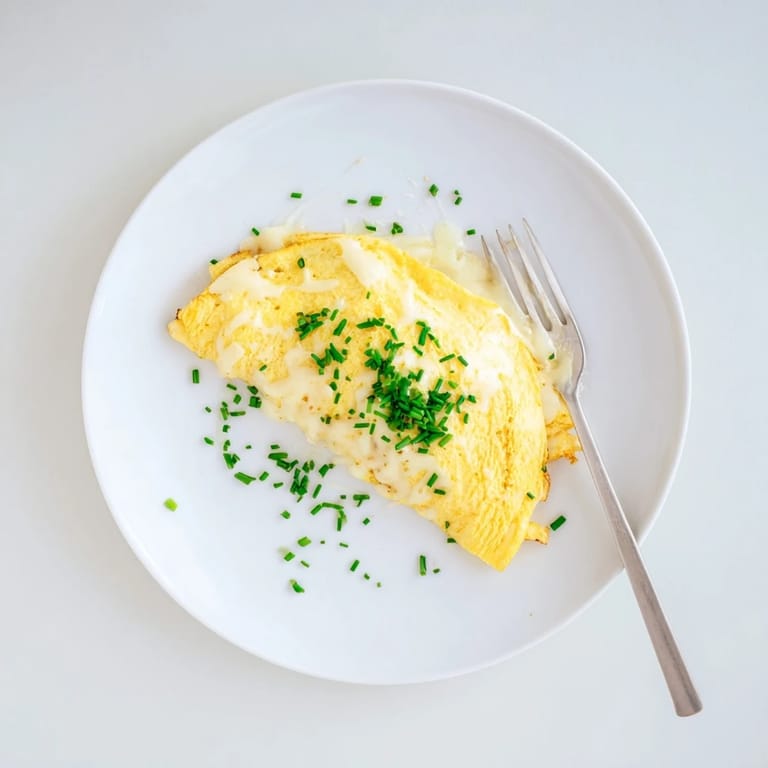
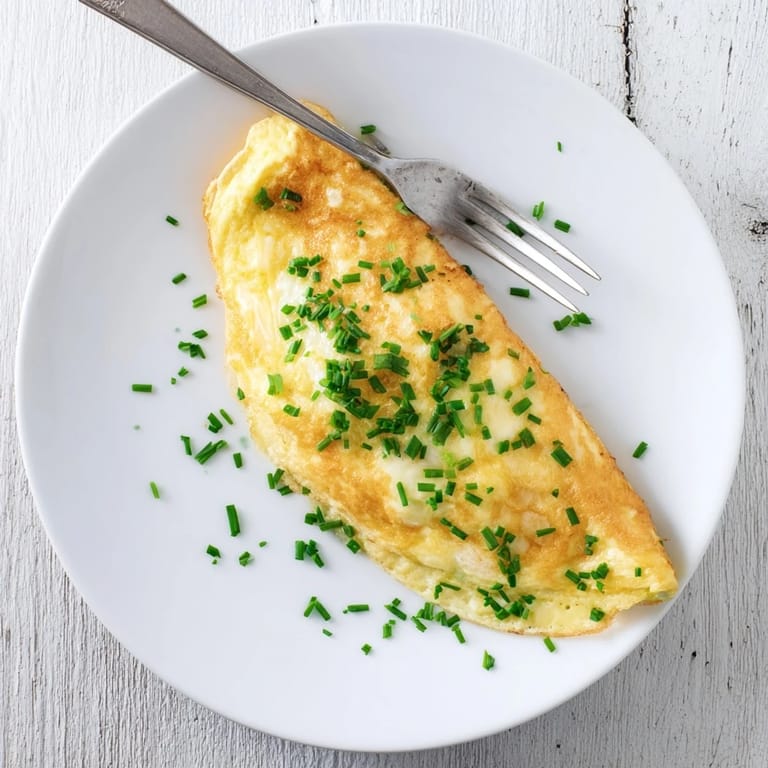
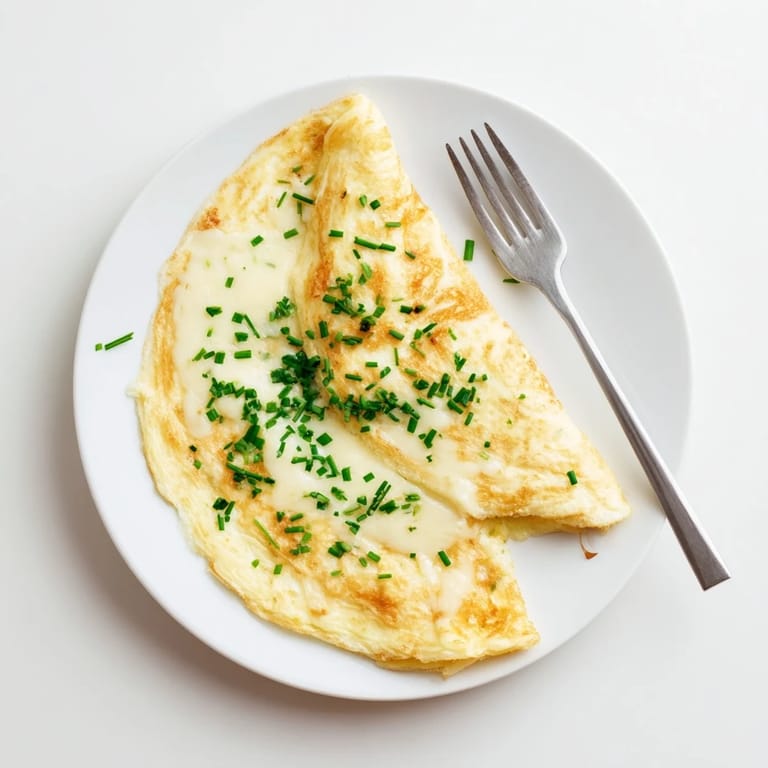
- Fold the omelet in half, cook for 30 seconds more, then slide onto a plate and garnish with fresh herbs
 Pin It
 This recipe became a Sunday tradition in my apartment, where friends would stumble in from late nights and I would stand at the stove making omelets until we ran out of eggs. Something about standing at the stove, watching cheese melt while someone sits at your counter waiting to be fed, feels deeply human and kind.
Choosing Your Cheese
I have tried dozens of cheeses in omelets over the years, and each brings something different. Gruyère has that nutty sophistication that makes everything feel fancy, while sharp Cheddar adds the kind of bold comfort that reminds you of childhood. Emmental melts beautifully and gets wonderfully stringy, which my kids think is the best part of the whole experience.
Getting the Texture Right
The difference between a good omelet and a great one comes down to texture, which is all about heat control and patience. I used to rush this step and end up with something closer to scrambled eggs, but I learned that letting the eggs set slowly gives you that smooth, custardy interior that makes French omelets so special.
Serving Suggestions
A perfectly made omelet deserves to be served with something that complements its richness. I love serving this with crusty bread that has been toasted until golden, or a simple green salad dressed with lemon and olive oil to cut through the creaminess.
- A light arugula salad with lemon vinaigrette balances the richness beautifully
- Toasted sourdough or baguette slices are perfect for soaking up any extra cheese
- Fresh fruit on the side adds brightness and makes the plate feel complete
 Pin It
 There is something so satisfying about pulling off a perfect omelet, like you have mastered a small but meaningful kitchen skill. I hope this recipe becomes part of your own morning rituals, whatever they look like.
Recipe Questions & Answers
- → What cheese works best for omelets?
Choose cheeses that melt smoothly like Gruyère, Cheddar, Emmental, or Swiss. These offer rich flavor and creamy texture without becoming oily. Avoid fresh cheeses that don't melt well.
- → How do I prevent my omelet from becoming rubbery?
Avoid overcooking—the center should remain slightly creamy when you fold it. Whisk eggs thoroughly until frothy, use medium heat rather than high, and remove from heat while still slightly undercooked as residual heat completes the process.
- → Can I prepare the fillings ahead of time?
Absolutely. Dice vegetables, grate cheese, and cook ham the night before. Store in separate containers in the refrigerator. Having everything ready ensures you can add fillings quickly without overcooking the eggs.
- → What's the difference between French and American omelets?
French omelets are rolled or folded into an elegant shape with no browning, resulting in a smooth, creamy interior. American versions typically cook longer until golden throughout and often incorporate fillings directly into the egg mixture before folding.
- → Why add milk or cream to eggs?
Dairy creates a richer, more tender texture and contributes to fluffiness. Cream yields a more luxurious result, while milk provides a lighter touch. Both enhance the final consistency without overpowering the egg flavor.
- → What size skillet is ideal for omelets?
An 8-10 inch (20-24 cm) nonstick skillet works perfectly for two-egg portions. This size allows the eggs to spread to the right thickness for even cooking and makes folding easier without tearing.