 Pin It
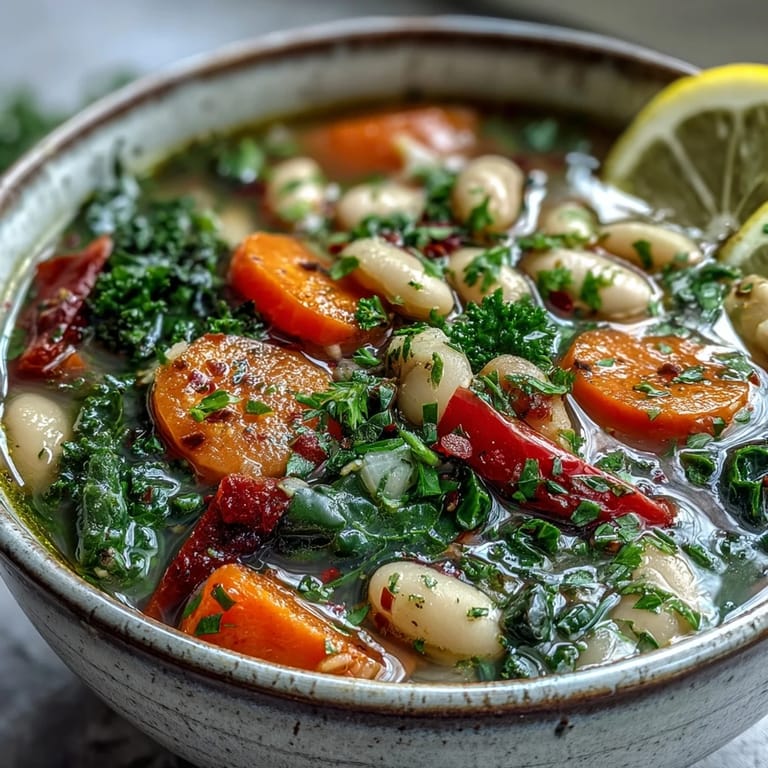
 There's something about the smell of cumin hitting hot olive oil that immediately transports me to a sun-drenched kitchen in Athens, even though I've never been there. My neighbor Maria taught me this stew one rainy afternoon when she stopped by with a bag of fresh herbs and a story about her grandmother's kitchen. What started as a casual cooking lesson became my go-to when I need something warming but not heavy, something that feels both simple and somehow special. The beauty of it is how forgiving it is, how the flavors deepen the longer it simmers.
I made this for my friend Josh on a Wednesday night when he showed up exhausted from a new job, and watching him relax over a bowl while steam rose from the surface was one of those quiet victories. He actually asked for seconds, which meant more to me than any compliment about technique. That's when I realized this stew had become my recipe, the one I reach for when I want to feed someone properly without making a fuss about it.
Ingredients
- Extra-virgin olive oil (2 tablespoons): Don't skimp here, as this is your flavor foundation, and adding a drizzle more at the end makes all the difference.
- Yellow onion (1 medium, diced): The base of everything, and that moment when it turns translucent is your signal that you're on the right track.
- Garlic cloves (3, minced): Mince them just before adding so they release their full, fragrant power.
- White beans (2 cans, drained and rinsed): Rinsing them removes excess sodium and that starchy taste, leaving only the subtle earthiness you want.
- Low-sodium vegetable broth (4 cups): This lets the spices and vegetables shine without overpowering saltiness creeping in.
- Diced tomatoes (1 cup, canned or fresh): Canned tomatoes are actually more consistent here and add natural acidity to brighten everything.
- Carrots (2 medium, sliced): Slice them on the bias if you want them to look a little more intentional, though rounds work just fine too.
- Red bell pepper (1, diced): The red ones add a subtle sweetness that balances the spices beautifully.
- Kale or spinach (2 cups, chopped): Add this near the end so it stays vibrant, and it wilts faster than you'd expect.
- Ground cumin (1 teaspoon): This is the soul of the stew, so make sure it's not old and dusty.
- Smoked paprika (1 teaspoon): The smokiness adds depth you can't get any other way.
- Ground coriander (1/2 teaspoon): A small amount adds a subtle citrus note that balances the earthiness.
- Dried oregano (1/2 teaspoon): Mediterranean oregano is preferable if you can find it.
- Crushed red pepper flakes (1/4 teaspoon, optional): Add this only if you like heat, or leave it out entirely.
- Salt and black pepper: Taste as you go and season at the very end, as the broth concentrates.
- Fresh parsley (2 tablespoons, chopped) and lemon wedges for serving: These bright finishes lift the entire dish in the final moment.
Tired of Takeout? 🥡
Get 10 meals you can make faster than delivery arrives. Seriously.
One email. No spam. Unsubscribe anytime.
Instructions
- Start with a fragrant base:
- Heat your olive oil in a large pot over medium heat, then add the diced onion and let it cook undisturbed for a couple of minutes before stirring, which helps it soften and caramelize slightly. After about 4 to 5 minutes, when it's turned translucent and soft, you'll notice the kitchen starting to smell warm and inviting.
- Build the aromatic layers:
- Add the minced garlic and stir constantly for just one minute, because garlic burns faster than you think and bitterness is not what we're after. You want that sweet, raw garlic aroma to mellow slightly while the oil carries it throughout.
- Add your colorful vegetables:
- Now the carrots and red pepper go in, and this is where the stew starts to look like it's becoming something. Stir occasionally for about 3 to 4 minutes so they have time to soften slightly but not fall apart.
- Bloom the spices:
- Sprinkle in the cumin, smoked paprika, coriander, oregano, and red pepper flakes if you're using it, then stir constantly for about 30 seconds. This technique, called blooming, wakes up the spices and coats the vegetables so their flavors weave throughout the entire pot.
- Bring everything together:
- Add the beans, diced tomatoes, and vegetable broth, then increase the heat slightly to bring it to a gentle boil, which takes maybe 3 to 4 minutes. You'll see it bubble softly around the edges when it's ready.
- Let it simmer and meld:
- Lower the heat to low, cover the pot, and let it bubble gently for about 20 minutes while the flavors deepen and the vegetables become tender. The lid keeps the moisture in and lets everything braise rather than evaporate.
- Finish with greens:
- Stir in your kale or spinach and cook for another 2 to 3 minutes until it's wilted and dark green, which happens faster than you'd expect. This adds the freshness that balances the rich, slow-cooked flavors underneath.
- Taste and adjust:
- Season with salt and black pepper to your taste, tasting as you add because the broth has already concentrated its flavors. Sometimes a squeeze of lemon juice at this point adds brightness without a garnish.
- Serve with intention:
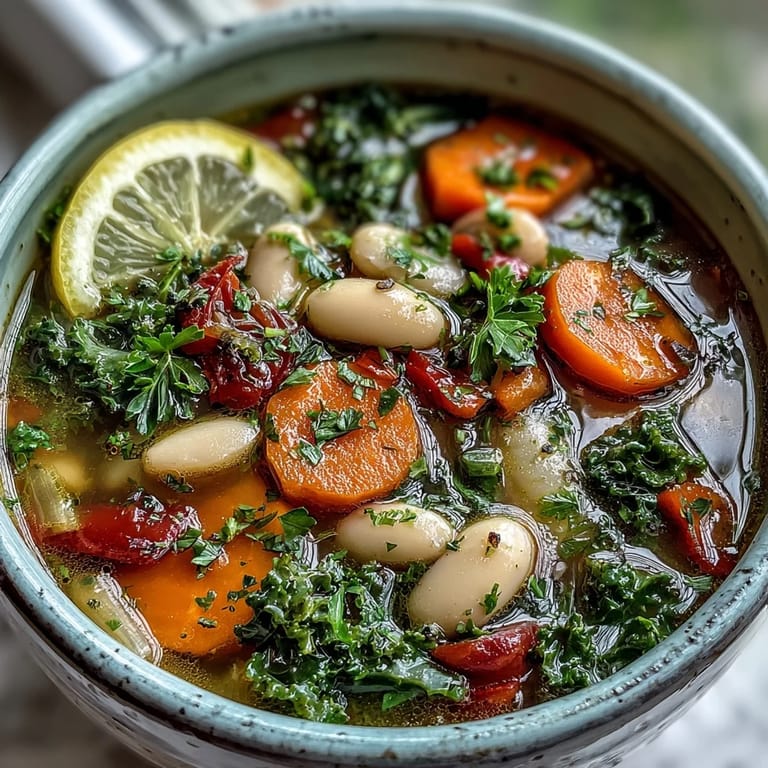
- Ladle into bowls while it's steaming, then garnish with fresh parsley and serve with lemon wedges on the side. A generous drizzle of good olive oil on top is optional but makes everyone feel a little more cared for.
 Pin It
 My mother tried this once and said it reminded her of a trip she took years ago to a small island where an elderly woman served something similar in a white ceramic bowl. Now whenever I make it, I think about that connection between my mother's memory and my own kitchen, how food carries stories across time and between people. It's become my way of honoring the idea that cooking isn't just about feeding yourself, it's about being part of something larger.
The Magic of Spice Blooming
I learned this technique by accident when I forgot to add spices until the very end of cooking, and the stew tasted flat and one-dimensional. The next time, I added them early and watched them toast slightly in the hot oil, and the difference was shocking, like someone had turned up the volume on every flavor at once. Blooming spices means heating them in fat for just a few seconds so their essential oils release and distribute evenly, which is why this stew tastes so rounded and complete rather than spicy and sharp.
Why This Works as Both a Simple Dinner and Elegant Company Meal
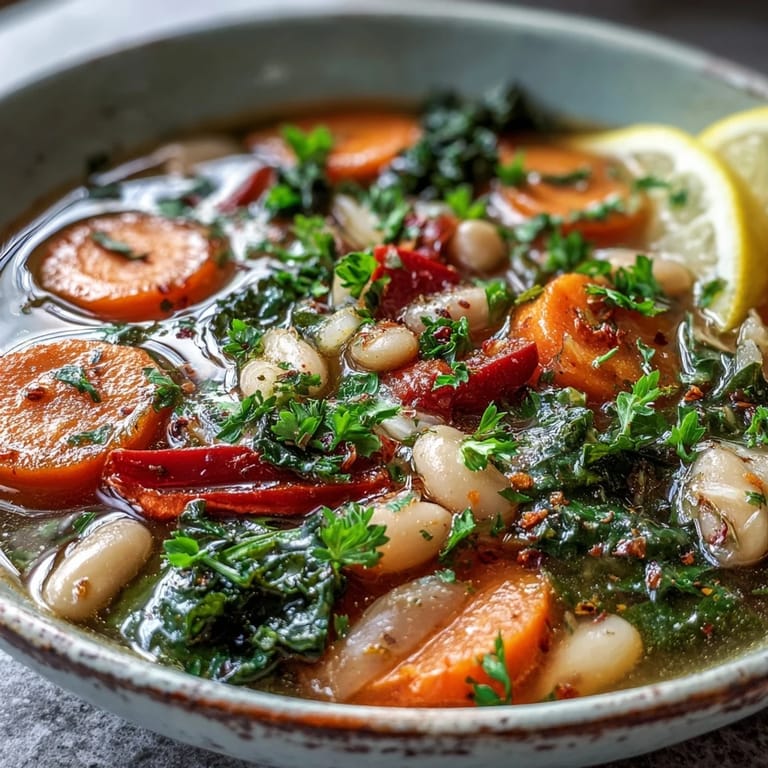
There's a certain humility to serving a stew, but there's also honesty in it that people respond to in a way they don't always respond to fancier presentations. I've brought this to potlucks where it disappeared first, and I've served it in my best bowls to people I wanted to impress, and both times it felt appropriate and generous. The vegetables stay distinct enough to see what you're eating, the broth is rich without being heavy, and the spices create an impression of care without requiring any fancy techniques.
Serving and Storage Wisdom
This stew is forgiving in almost every way, which is part of why I keep returning to it through seasons and moods. Store it in an airtight container in the refrigerator for up to four days, and it actually deepens as the spices continue to blend with the broth. You can also freeze individual portions in containers and thaw them in the refrigerator overnight, though the greens lose their bright color, so consider adding fresh spinach or kale when you reheat if you've frozen it.
- Serve with crusty bread, over farro, brown rice, or couscous for a more substantial meal.
- A drizzle of extra olive oil and a wedge of fresh lemon always makes it feel more intentional.
- This works beautifully as a winter lunch or a light dinner, depending on what you serve alongside it.
 Pin It
 This stew has become my answer to the question of what to cook when I want something that feels both nourishing and uncomplicated. It's taught me that the best recipes aren't the most complicated ones, but the ones you return to again and again until they feel like an old conversation.
Recipe Questions & Answers
- → Can I use dried beans instead of canned?
Yes, you can use dried beans. Soak 1 cup dried white beans overnight, then cook them in boiling water for 60-90 minutes until tender before adding them to the stew in step 5.
- → How long does this stew keep in the refrigerator?
This stew stores well in an airtight container in the refrigerator for 4-5 days. The flavors actually develop and improve after a day or two.
- → Can I freeze this Mediterranean stew?
Absolutely. Let the stew cool completely, then transfer to freezer-safe containers. It freezes well for up to 3 months. Thaw overnight in the refrigerator before reheating.
- → What can I serve with this stew?
Crusty bread is perfect for soaking up the flavorful broth. You can also serve it over cooked grains like farro, brown rice, or quinoa for a more substantial meal.
- → Can I make this stew spicier?
Increase the crushed red pepper flakes to 1/2 teaspoon or add a pinch of cayenne pepper. You can also serve with hot sauce on the side for those who prefer extra heat.
- → What other greens work in this stew?
Swiss chard, collard greens, or mustard greens all work beautifully. Just adjust the cooking time slightly—tender greens like spinach need only 2-3 minutes, while heartier greens may need 5 minutes.