 Pin It
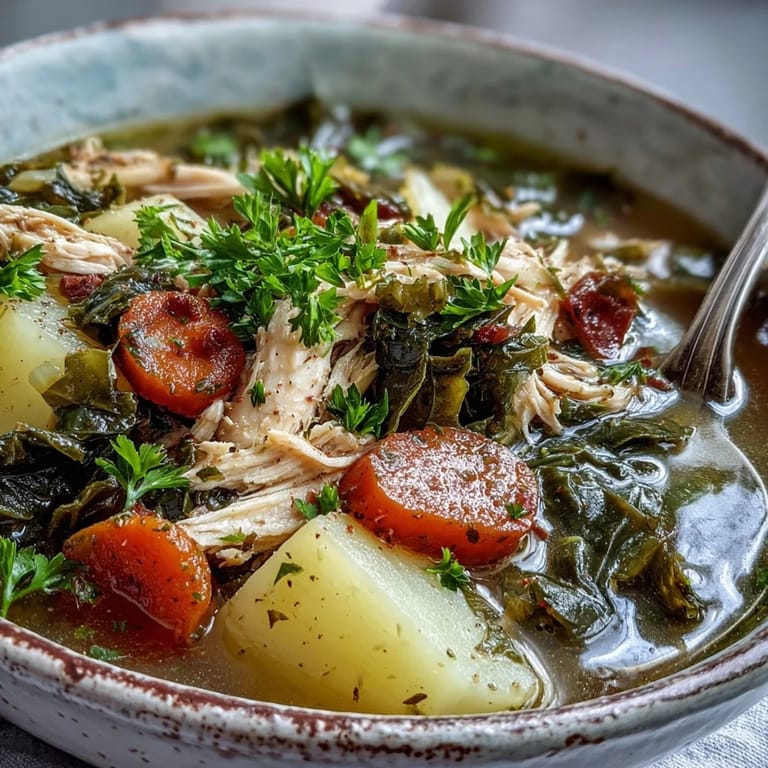
 There's something about the smell of collard greens hitting hot broth that takes me straight back to my grandmother's kitchen on a gray afternoon. She'd have this soup simmering while we sat at her table, the steam fogging up the windows, and somehow it made the whole house feel like a warm hug. When I finally learned to make it myself, I realized the magic wasn't in any single ingredient but in how they all came together, especially that moment when the greens hit the pot and turned that brilliant, deep green. Now whenever someone asks for a soup that actually feels like it's taking care of you, this is what I make.
I made this for my colleague Marcus last winter when he was recovering from being sick, and he called me three days later just to ask if I'd make it again. That's when I knew this soup had crossed over from just being good food into being the kind of thing people actually crave. He said it made him feel strong again, which is exactly what a proper soup should do.
Ingredients
- Boneless, skinless chicken breasts (2, about 400 g): They'll shred beautifully once cooked through, and you want them just tender enough to pull apart with two forks without being stringy or tough.
- Collard greens (1 large bunch, about 300 g): Strip the tough stems completely because they don't soften the same way the leaves do, and this soup deserves that tender bite you're after.
- Yukon Gold potatoes (2 medium): These hold their shape better than russets while still getting creamy, giving you that perfect texture contrast in every spoonful.
- Carrots (2) and celery stalks (2): This is your aromatic base doing the heavy lifting, so don't skip them or rush their sauté time.
- Onion (1 medium) and garlic (3 cloves): The onion needs to be diced small so it disappears into the broth and builds flavor, while the garlic should be minced fine enough that it melts into the liquid.
- Low-sodium chicken broth (1.5 liters): Use good broth here because it's essentially your backbone, and the salt level matters since you're controlling seasoning yourself.
- Bay leaf, thyme, smoked paprika, salt, and black pepper: The smoked paprika is what gives this soup its warmth and slight depth without making it taste overtly smoky.
- Olive oil (2 tablespoons): This is your medium for building flavor in the beginning, so use something you actually enjoy tasting.
- Lemon juice (½ lemon) and fresh parsley (optional): The acid at the end brightens everything you've built, and it's the difference between a good soup and one that tastes alive.
Tired of Takeout? 🥡
Get 10 meals you can make faster than delivery arrives. Seriously.
One email. No spam. Unsubscribe anytime.
Instructions
- Build your flavor foundation:
- Heat the olive oil in your soup pot over medium heat until it's shimmering but not smoking, then add your onion, carrots, and celery. You'll know they're ready when the onion turns translucent and the edges of the carrots start to soften, usually around 5 to 6 minutes. This step is crucial because these vegetables are creating the aromatic base that everything else will sit on top of.
- Wake up the garlic:
- Add your minced garlic and stir constantly for about a minute, just until fragrant. If you let it go too long it'll burn and taste bitter, so keep moving and moving.
- Bring everything together:
- Add the chicken breasts, potatoes, bay leaf, thyme, smoked paprika, salt, and pepper, then pour in your broth. The broth should cover everything generously, and as you stir it all together you'll start to see the potential of what this is becoming.
- Let it simmer gently:
- Bring the pot to a boil, then immediately reduce the heat to low, cover it, and let it cook for about 20 minutes. You want a gentle simmer where bubbles are barely breaking the surface, not an aggressive boil that makes your chicken tough and your broth cloudy.
- Shred and return:
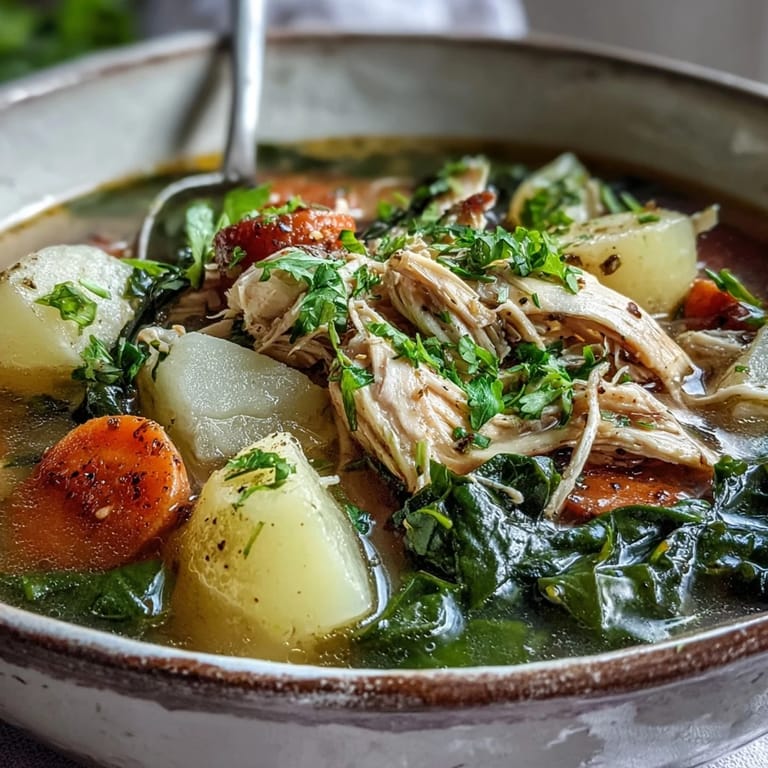
- Remove the chicken breasts carefully and place them on a cutting board. Use two forks to pull them apart into bite-sized shreds, then add them back into the pot where they belong.
- Add the greens and finish:
- Add your chopped collard greens and simmer uncovered for 10 to 12 minutes until they're tender but still maintain that gorgeous deep green color. Squeeze in your lemon juice right at the end, taste it, and adjust the seasoning if needed.
- Serve and savor:
- Ladle into bowls while it's hot, finish with fresh parsley if you're in the mood, and take a moment to appreciate what you've made.
 Pin It
 This soup became my comfort food ritual during a particularly long winter, and I'd make a big pot on Sunday nights knowing I had real nourishment waiting for me all week. It reminded me that sometimes the best meals aren't complicated or trendy, they're just honest and they show up for you.
The Secret of Smoked Paprika
I used to skip the smoked paprika because I thought it would taste too smoky, but a friend corrected me and showed me that it actually adds depth without any actual smoke flavor. It's more about creating warmth and complexity, and just one teaspoon completely transforms how this soup sits on your palate. Now I measure it carefully because I've learned it's one of those ingredients that deserves respect.
Why Collard Greens Matter Here
Collard greens hold up better in soup than most other leafy greens, which means they don't disintegrate into sad green mush. They have a slightly earthy, mineral quality that complements chicken and broth in a way that feels both grounding and nourishing. I've tried substituting kale out of stubbornness, and while it works, something about collards feels more intentional for this particular soup.
Making It Your Own
This is a soup that welcomes changes depending on what's in your kitchen and what your body is asking for. I've added everything from white beans for extra protein to a Parmesan rind for deeper flavor, and each version taught me something different about cooking.
- If you're vegetarian, swap the chicken broth for vegetable broth and add a can of drained white beans instead of chicken.
- A Parmesan rind simmered in the broth adds incredible umami but must be removed before serving.
- Crusty bread or brown rice on the side turns this from a side dish into a complete meal.
 Pin It
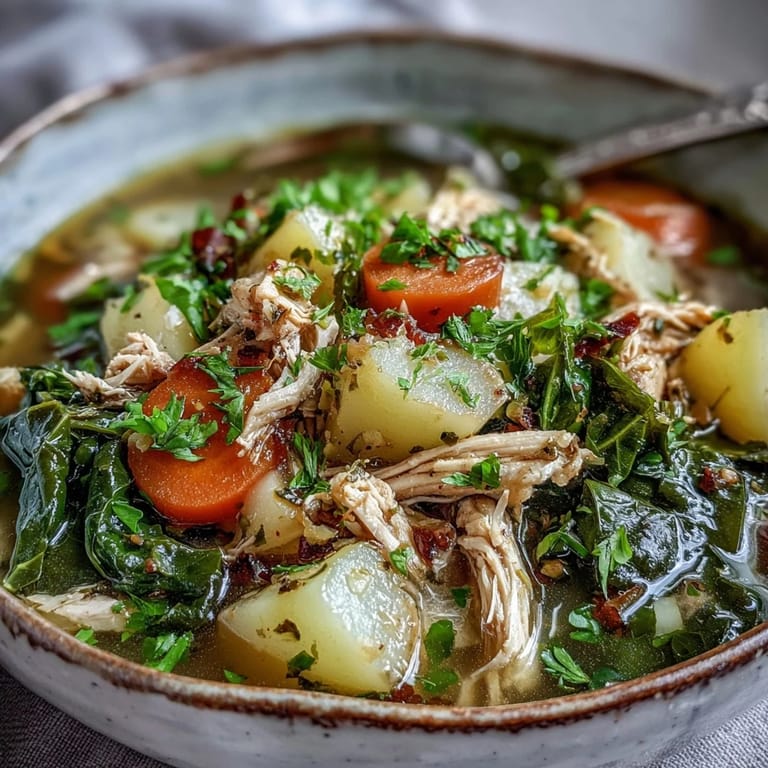
 This soup has become my answer to almost every question about what to cook when you want something real and nourishing. Make it once and you'll understand why.
Recipe Questions & Answers
- → How do I prepare collard greens for soup?
Remove the tough stems from the collard greens by folding each leaf in half and cutting along the stem. Stack the leaves and chop them into bite-sized pieces. Add them during the last 10-12 minutes of simmering to keep them tender but still bright green.
- → Can I make this soup in a slow cooker?
Yes! Sauté the onion, carrots, celery, and garlic first, then transfer everything to your slow cooker. Cook on low for 6-7 hours or high for 3-4 hours. Shred the chicken and add collard greens during the last hour of cooking.
- → What can I substitute for Yukon Gold potatoes?
Russet or red potatoes work well. Russets will break down more and thicken the broth slightly, while red potatoes hold their shape better. Sweet potatoes can also be used for a slightly sweeter variation.
- → How long does this soup keep in the refrigerator?
Store cooled soup in an airtight container for up to 4 days. The flavors often improve after sitting overnight. Reheat gently on the stove, adding a splash of broth if needed to adjust consistency.
- → Can I freeze this soup?
Yes, freeze for up to 3 months. Cool completely before transferring to freezer-safe containers. Thaw overnight in the refrigerator and reheat on the stove. Note that potatoes may become slightly softer after freezing.
- → What other greens can I use?
Kale, Swiss chard, or spinach make excellent substitutes. Add spinach during the last 2-3 minutes of cooking as it wilts quickly. Kale and chard can be added with the collards in the last 10-12 minutes.